
European Vehicles Need the Right Approach, Not Just Any Repair
A European car often carries a reputation for being difficult to service, yet that perception usually comes from misunderstanding rather than reality. The difference becomes clearer when looking at how these vehicles are designed, with a strong focus on precision and integration across systems that work closely together. When comparing Foreign vs Domestic Auto Repair, the gap is less about difficulty and more about preparation, tools, and familiarity with manufacturer standards. Drivers who approach maintenance with the right expectations tend to find that these vehicles respond well to proper care, delivering consistent performance without unnecessary complications. Over time, this understanding helps reduce hesitation and builds confidence in how repairs are handled.
Have you ever noticed how certain vehicles seem to communicate issues in more subtle ways, that often reflects the level of engineering behind them and the systems that support performance. European models rely on detailed diagnostic systems that track performance and alert drivers to changes before they become major concerns. This approach supports early intervention, allowing technicians to address issues while they are still manageable and easier to resolve. With the right diagnostic equipment, these signals can be interpreted accurately, guiding repairs in a way that maintains both performance and reliability over time. This process helps prevent larger disruptions and keeps the vehicle running smoothly.
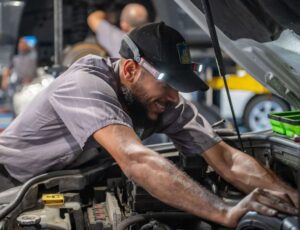
The importance of specialized tools becomes especially clear when dealing with modern systems that rely on precise calibration and accurate readings. Standard equipment may not always provide the level of detail needed to fully understand what is happening within the vehicle, which can lead to incomplete assessments. Technicians who work with European cars regularly tend to invest in the right tools and training, allowing them to perform repairs with confidence and accuracy. This preparation ensures that each component is handled according to the manufacturer’s specifications, which plays a key role in preserving how the vehicle was designed to function and perform on the road.
Training also shapes the quality of service, since understanding the design philosophy behind European vehicles requires more than general experience and basic knowledge. Each brand brings its own approach to engineering, which influences how systems are built and how they should be maintained over time. Technicians who stay updated with these standards are better equipped to identify issues and apply the correct solutions without unnecessary guesswork. This level of knowledge supports a smoother repair process, where attention to detail helps prevent unnecessary adjustments and keeps the vehicle performing as expected under different driving conditions.
Choosing the right approach to maintenance makes a noticeable difference, particularly when considering how Foreign vs Domestic Auto Repair is often viewed in everyday discussions among drivers. A well-informed perspective highlights that European vehicles do not demand something entirely different, they simply require the right combination of tools, training, and attention to detail. Drivers who recognize this tend to experience fewer surprises and more consistent results from their service visits over time. In the end, proper care supports not only the performance of the vehicle, but also the confidence that comes from knowing it is being handled with the precision it deserves.